

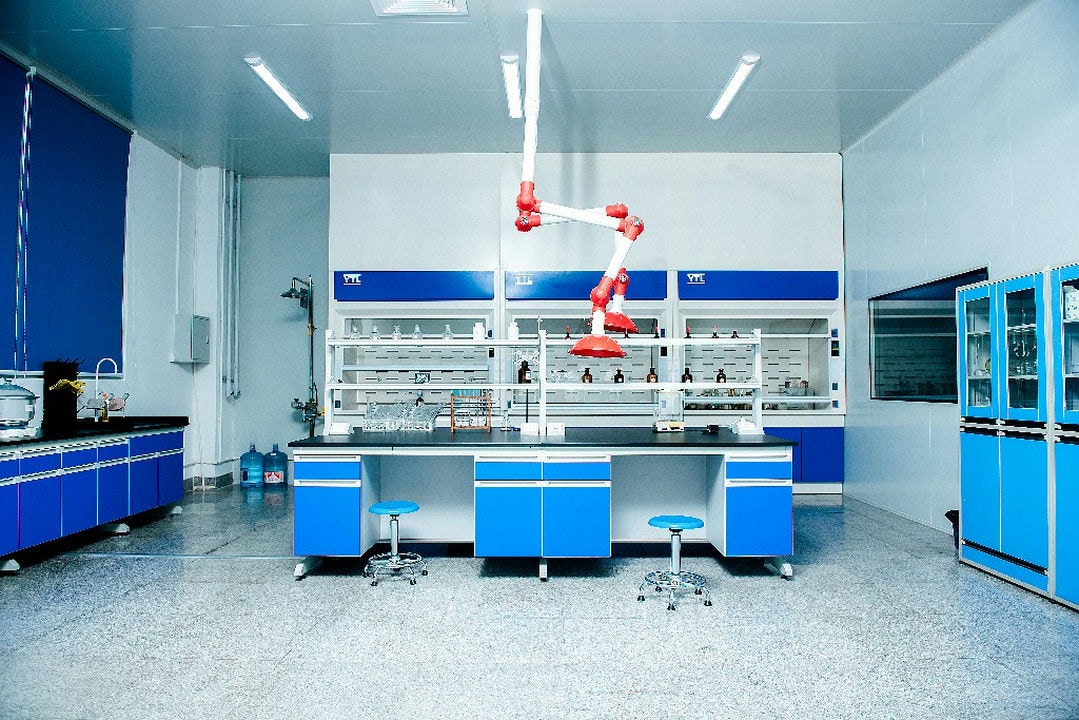
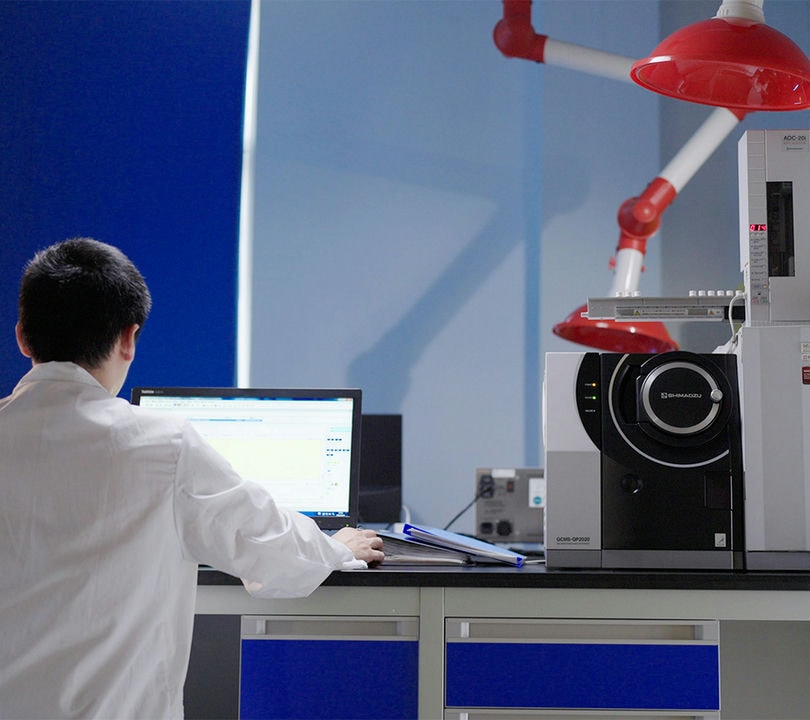
GC-MS analysis is used to determine the content of hazardous substances such as polycyclic aromatic hydrocarbons (PAHs) and phthalates (PAEs) in materials, ensuring the safety of rubber formulations.
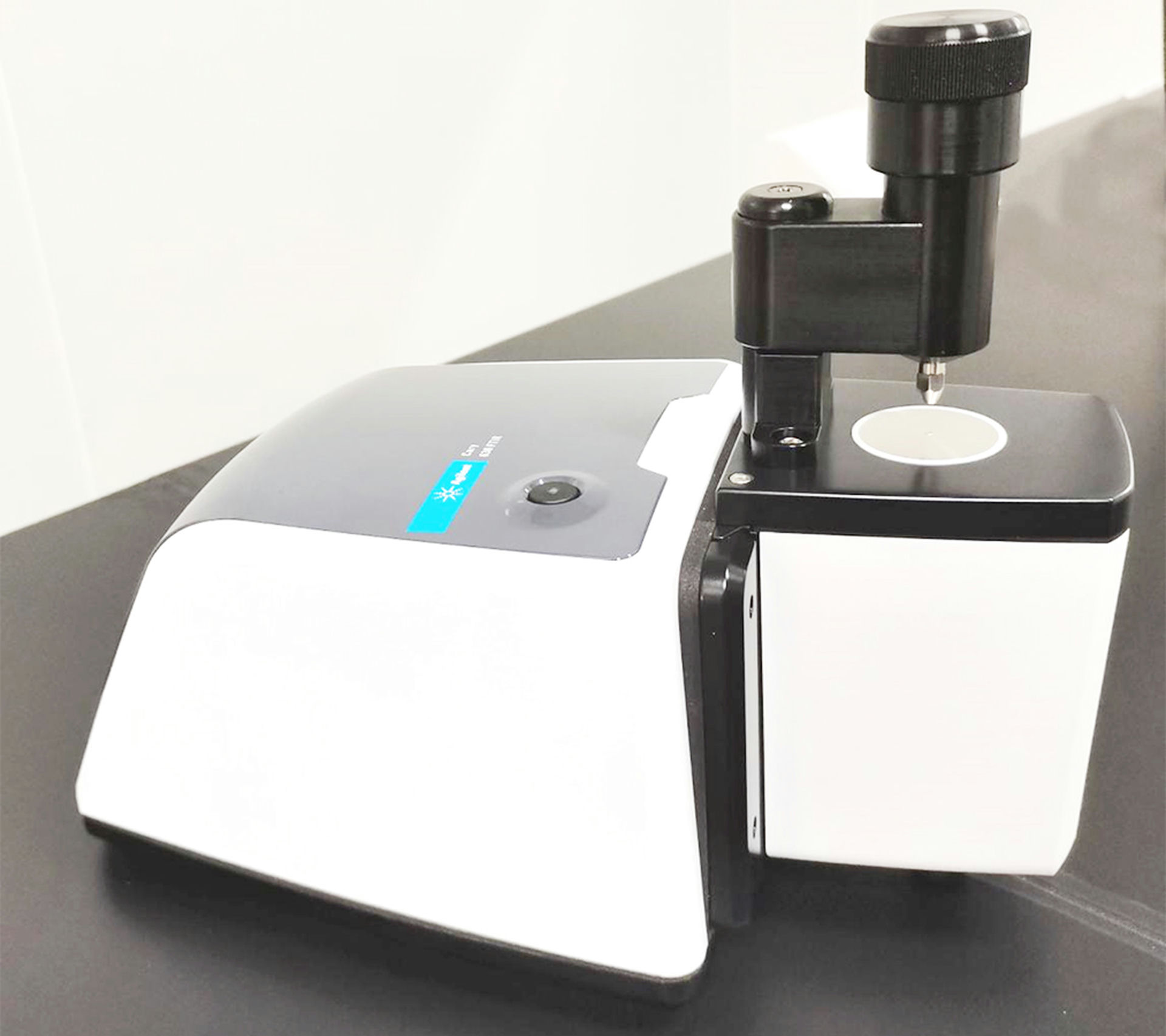
Analyzing the composition and structure of rubber to determine the primary polymer type of rubber materials.
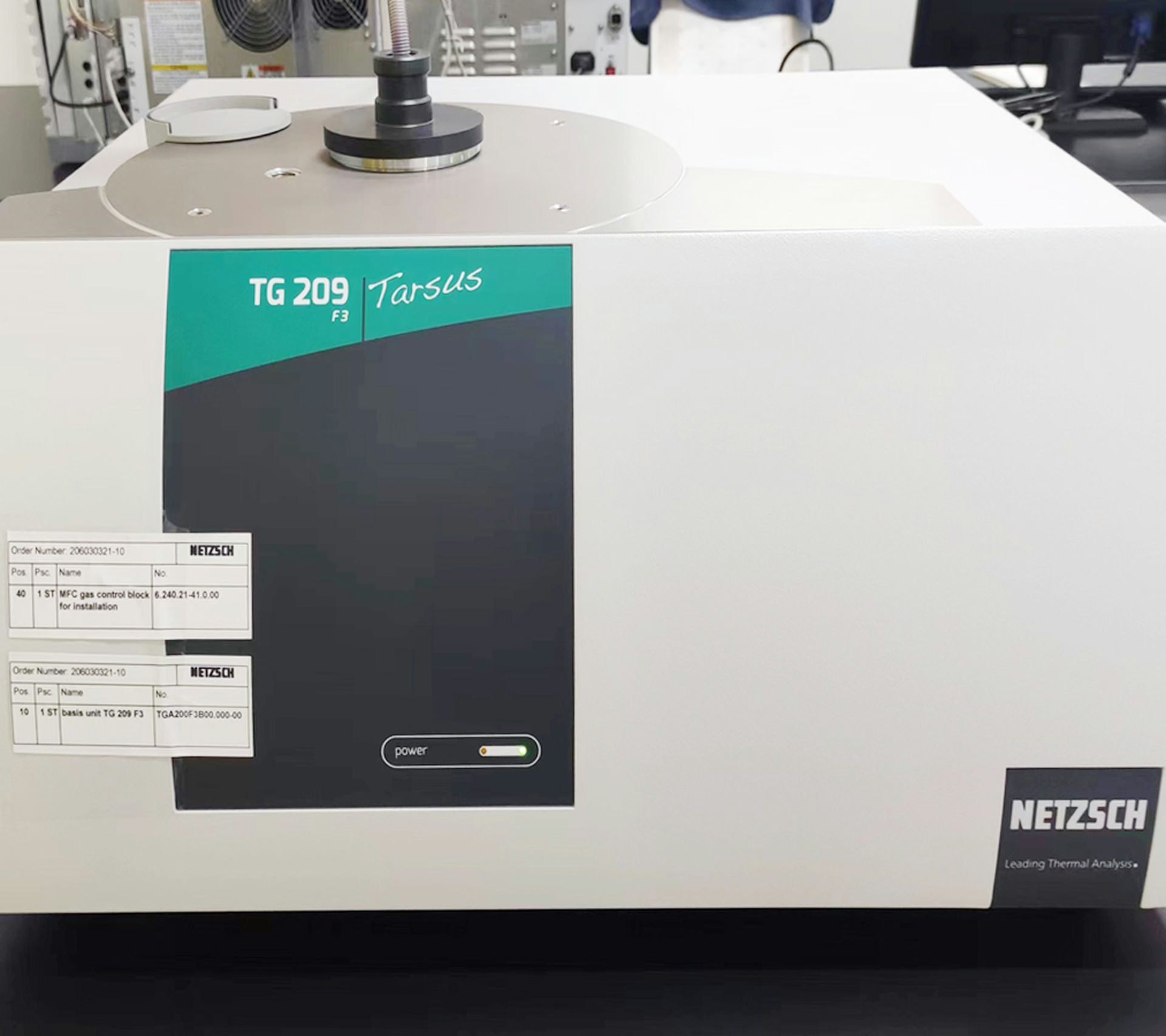
Analyzing the content of different components in rubber materials by detecting the volatility of various constituents.
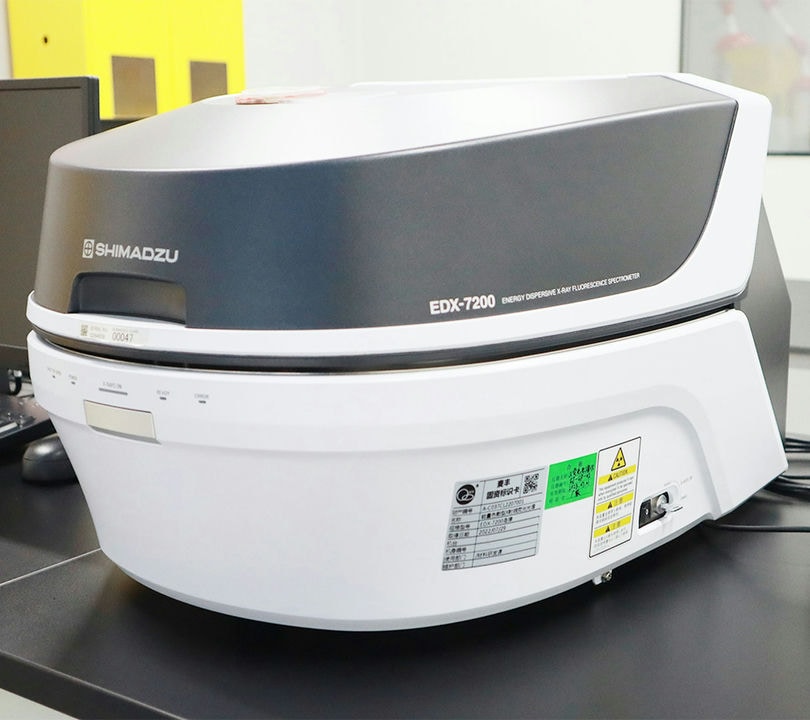
Applied in reverse engineering of samples to analyze the elemental composition
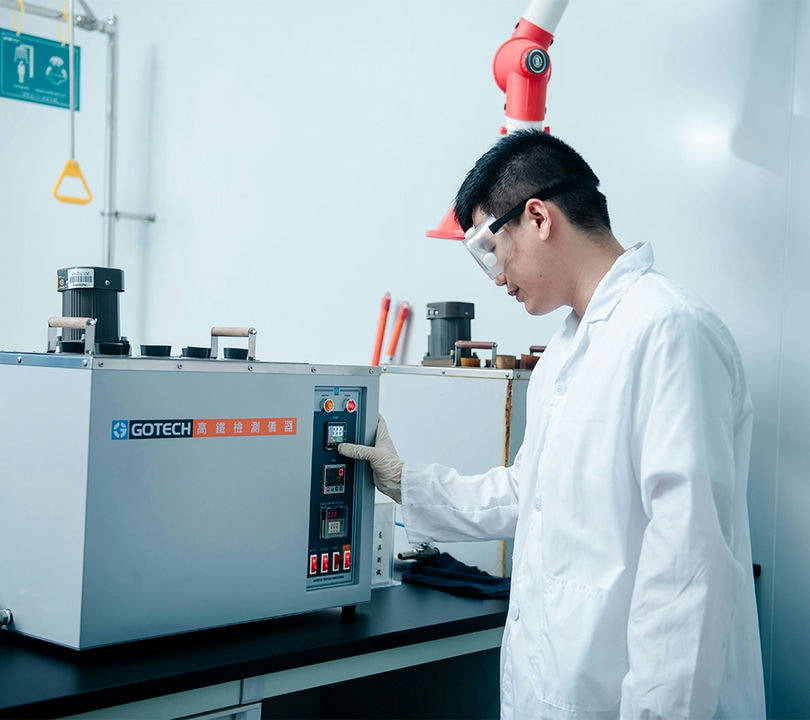
Evaluates the resistance and stability of rubber materials when exposed to various liquids, observing for dissolution, swelling, discoloration, cracking, hardness changes, etc. Applicable to water, oil, chloramine, and chemical resistance tests.
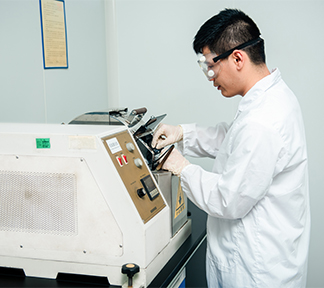
Assesses the elasticity and toughness of rubber under low-temperature conditions.
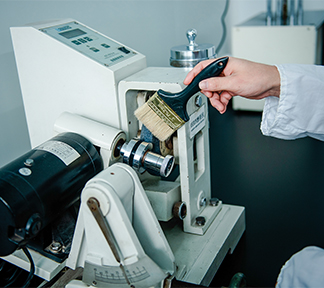
Simulates real wear conditions by abrading rubber test pieces to evaluate wear resistance.
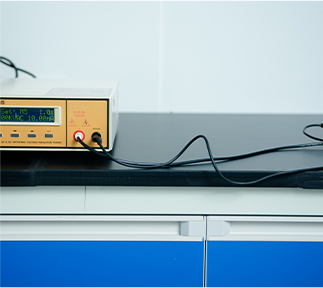
Applied to seals for electrical equipment, this test evaluates the insulation properties of rubber materials.
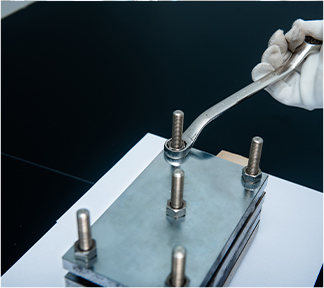
A critical test for rubber seals that evaluates the material’s recovery ability after prolonged compression.
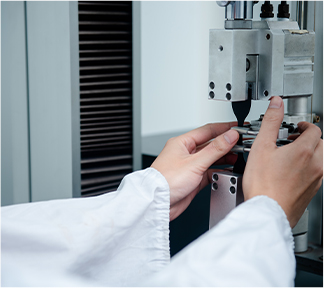
Measures the tensile strength and elongation at break of rubber materials.
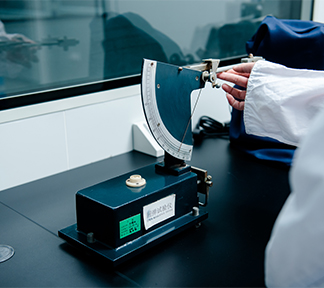
Tests the elasticity and recovery capability of rubber materials after applied force.
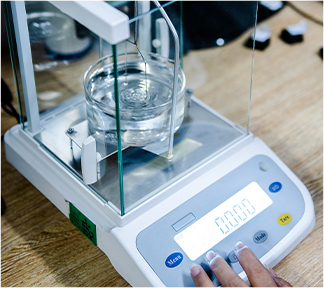
Analyzes the specific gravity and relative density of rubber materials to assess rubber content and detect compositional changes.
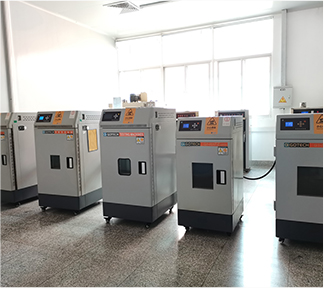
Evaluates the stability of materials in a high-temperature, oxygen-containing environment.
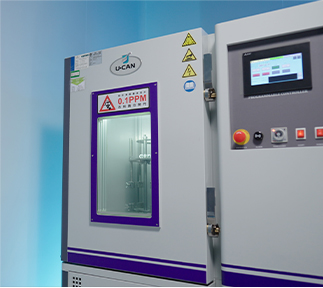
Evaluates the resistance and durability of materials upon exposure to ozone.
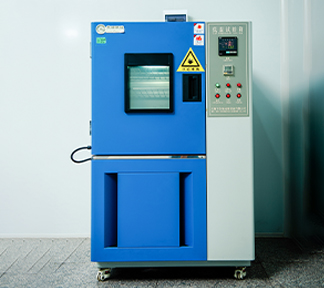
Test pieces are conditioned in a low-temperature environment, and changes in properties such as hardness, compression set, and tensile strength are measured to evaluate low-temperature stability.
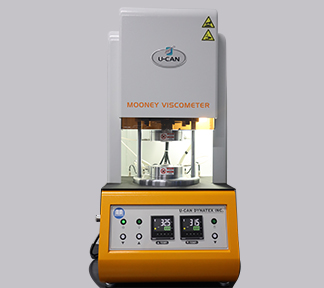
Evaluates the viscosity characteristics of rubber during processing and vulcanization by measuring the stress-deformation relationship of the sample.